For the first time in its history, the Nepal Premier League plays with the Decision Review System. Season 3 brings three-dimensional ball tracking, edge detection and video reviews to every match at TU Ground, Kirtipur, giving teams the right to challenge umpiring decisions they believe are wrong. Each team gets two unsuccessful reviews per innings, the system costs Rs 15 to 20 million shared between CAN and the eight franchises, and matches carry 30 extra scheduled minutes to fit the reviews in. DRS is as much a credibility statement as a piece of technology.
| System | Decision Review System (DRS), first NPL edition to use it |
| Technology | 3D ball tracking, edge detection with sound-wave, video reviews |
| Reviews | Two unsuccessful reviews per team, per innings |
| Covers | LBW, edges, run-outs, stumpings, front-foot no-balls, wides by height, six measurements |
| Cost | Rs 15 to 20 million, shared by CAN and the eight franchises |
| Schedule | 30 extra minutes built in per match |
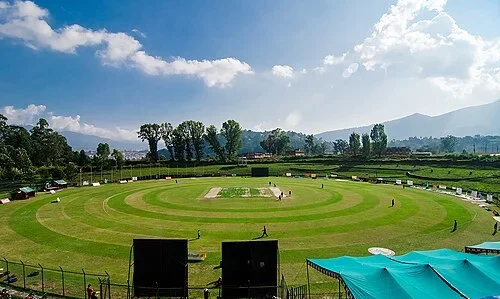
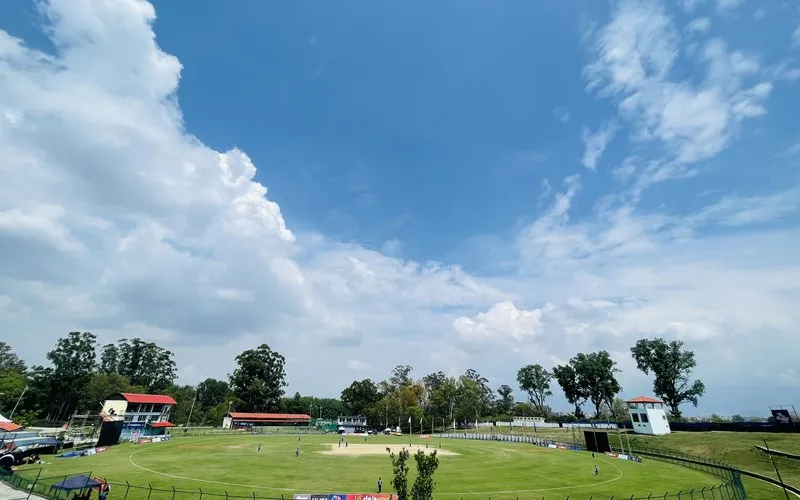
| Venue | Every match at TU Ground, Kirtipur, 26 October to 21 November 2026 |
Why Season 3 needed reviews
CAN introduced DRS following controversies over decisions in previous editions, and the timing matters: Season 3 is also the first NPL edition with official T20 status from the ICC, meaning performances count towards official career statistics. Officiating that can be checked fits a league asking to be taken seriously on a bigger stage.
Without reviews, a wrong LBW call or a missed edge stood for the rest of the match, and the only debate happened after the game. With reviews, the debate happens before the next ball, with evidence on screen. That change alone alters how players appeal, how captains set fields for spinners, and how crowds read a close call.
Reviews also change how captains think. With only two unsuccessful challenges per innings, a captain cannot spend reviews speculatively — each referral has to be worth more than the risk of losing it. On Kirtipur’s turning surfaces, where spinners thrive, LBW and bat-pad reviews are likely to get more of a workout than at flatter venues, and tight contests may turn on a single overturned call.
What the technology checks
Ball tracking traces the ball’s three-dimensional trajectory to judge leg-before-wicket decisions, assessing whether the delivery would have hit the stumps. Edge detection and sound-wave technology determine whether the ball made contact with the bat — the two pillars of any modern review setup.
Video reviews cover the rest of the game: run-outs, stumpings, front-foot no-balls, wides judged by height and measurements of sixes. Calibrated camera angles support the third umpire’s calls on height wides and six measurements, and the verdicts play out on the big screen at Kirtipur. Umpires on the field still make the first call, and DRS only steps in when a team believes that call is wrong. For fans, the visible change is the pause itself: the third umpire’s check, the ball-tracking graphic tracing the delivery towards the stumps, and the edge-detection waveform shown on the screen before the verdict. Every match of the season carries the full setup, from the opener on 26 October to the final on 21 November.
The cost and the clock
Quality comes at a price. CAN secretary Paras Khadka put the cost at around Rs 15 million to Rs 20 million, shared between the Cricket Association of Nepal and the eight franchises — a significant outlay for a three-week tournament, and a measure of how seriously the board takes the credibility question.
A time cost comes with it: reviews are expected to add about 30 minutes to matches, and organisers built an additional 30 minutes into the schedule to accommodate them. Kirtipur itself was upgraded ahead of the tournament to carry the system, with around 2,000 additional seats, a covered stand, an LED scoreboard, digital perimeter boards, player dugouts, a media centre, a dedicated family zone and improved toilet facilities — the full infrastructure a review system needs, from camera positions to the screen the verdicts play out on.
Yes. Season 3 is the first NPL edition to use the Decision Review System, with ball tracking, edge detection and video reviews in place at Kirtipur for every match.
Each team is allowed two unsuccessful reviews per innings. Successful reviews are not lost, so captains keep challenging while their calls prove right.
LBW through three-dimensional ball tracking, and edges through edge detection and sound-wave technology. Video reviews also cover run-outs, stumpings, front-foot no-balls, wides judged by height and measurements of sixes.
Around Rs 15 million to Rs 20 million, shared between CAN and the eight franchises. Reviews are expected to add about 30 minutes per match, and organisers built an additional 30 minutes into the schedule.